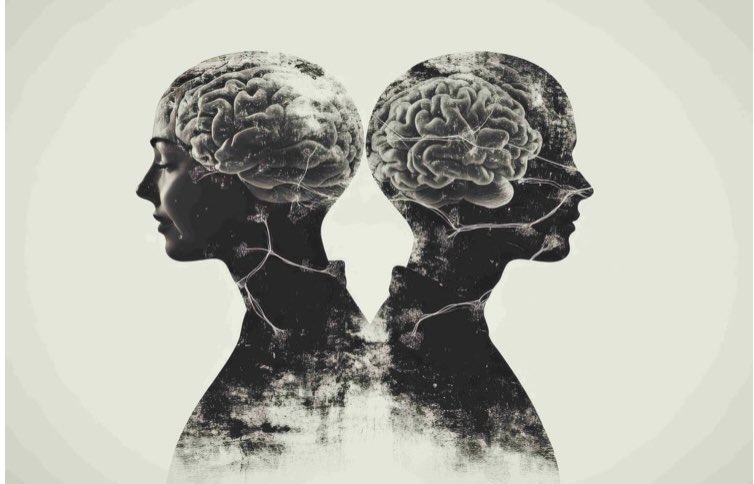
We Cannot Speak Without Learning the Language of Love
Love is one of the most fundamental human needs, yet not everyone feels loved in the same way. For some, physical touch is the most powerful expression of love; for others, consistency, mental attunement, or emotional security hold greater significance. This diversity is not accidental—it is rooted in biology and relational dynamics. The model of the 11 biological languages of love expands beyond the classic five love languages by offering a neurobiological explanation of how we respond to love, better reflecting the complexities of modern relationships.
Love is not a single language; it is eleven different doors unlocked by human biology.
The classic five love languages model (physical touch, quality time, words of affirmation, receiving gifts, acts of service) provides an important framework for understanding core relationship dynamics. However, the emerging emotional needs, attachment patterns, and neurobiological findings of today’s relationships call for a broader approach. The 11 biological languages of love address relationships not only at the behavioral level but also through brain mechanisms regulating hormones and emotions.
The biological languages of love are natural regulatory pathways that determine how people give and receive love signals. For example, physical touch increases oxytocin production, while quality time strengthens shared attention systems. Acts of service foster trust and solidarity, whereas words of affirmation activate the prefrontal cortex, meeting the need to feel valued. Each language triggers a specific neurobiological circuit.
Behind every love behavior is a hormone, a memory, and a need.
The Renewed List of Love Languages
The expanded model adds six new biological love languages: emotional security, consistency, mental attunement, cooperation, intellectual or spiritual closeness, and growing together. These languages address psychological and biological needs that are particularly prominent in modern relationships. Emotional security allows a person to express themselves without fear of judgment. Consistency regulates the nervous system through predictability. Attunement deepens connection through empathy and neurobiological synchronization.
Cooperation and partnership create a secure model of solidarity essential especially in marriage, parenting, and long-term bonds. Intellectual or spiritual closeness helps couples build a shared meaning system. Growing together signals that the relationship is not static but open to development; this is not only an emotional process but a biological one supporting neuroplasticity.
The 11 biological languages also encompass different attachment styles. Anxiously attached individuals tend to crave more emotional security and consistency, while avoidant individuals may respond better to more indirect love languages like cooperation and intellectual closeness. Those with disorganized attachment need low-intensity, gentle, and rhythmic love languages. This model biologically explains the common relational impasse where couples say “we’re speaking the same language, but still not understanding each other.”
Sometimes, the problem is not the absence of love, but the expression in the wrong language.
This expanded model offers guidance not only for couples but also for parent-child relationships, friendships, and therapeutic connections. The moments when people need love most are also when their nervous systems are most vulnerable. Speaking love in the right language strengthens security, reduces stress, and enhances emotional healing. That is why the 11 biological languages of love are more than just a communication model—they form a biological and relational regulatory system.
The Complete List of Love Languages
Here is the full list of 11 love languages to focus on—5 classic plus 6 expanded biological languages:
Classic 5 Love Languages
Physical Touch
Quality Time
Words of Affirmation
Receiving Gifts
Acts of Service
Expanded 6 Biological Love Languages
Emotional Security
Consistency (Predictability)
Mental Attunement
Cooperation and Partnership
Intellectual or Spiritual Closeness
Growing Together (Growth Partnership)
The 11 biological languages of love provide a powerful framework for understanding the neurobiological circuits underlying behaviors in relationships. Yet each language is a world unto itself: from oxytocin cycles to emotional regulation, from attachment patterns to prefrontal cortex activation, it spans a broad biological landscape. Starting with the next article, we will explore each love language individually—detailing which neurochemical systems it activates, its links to attachment styles, its role in modern relationships, and therapeutic applications. Together, we will uncover love’s depth not just behaviorally, but biologically.
Love is one of the most finely tuned regulatory mechanisms of human biology. When miscommunicated, it can create tension and rupture; when expressed in the right language, it soothes the nervous system, fosters trust, and deepens connection. The 11 biological languages of love model offers a broad perspective to understand the needs of modern relationships. In upcoming articles, we will approach each language step-by-step, blending the biology of love with the real practice of life.
Love has many languages, but the right language heals both the heart and the nervous system at once.